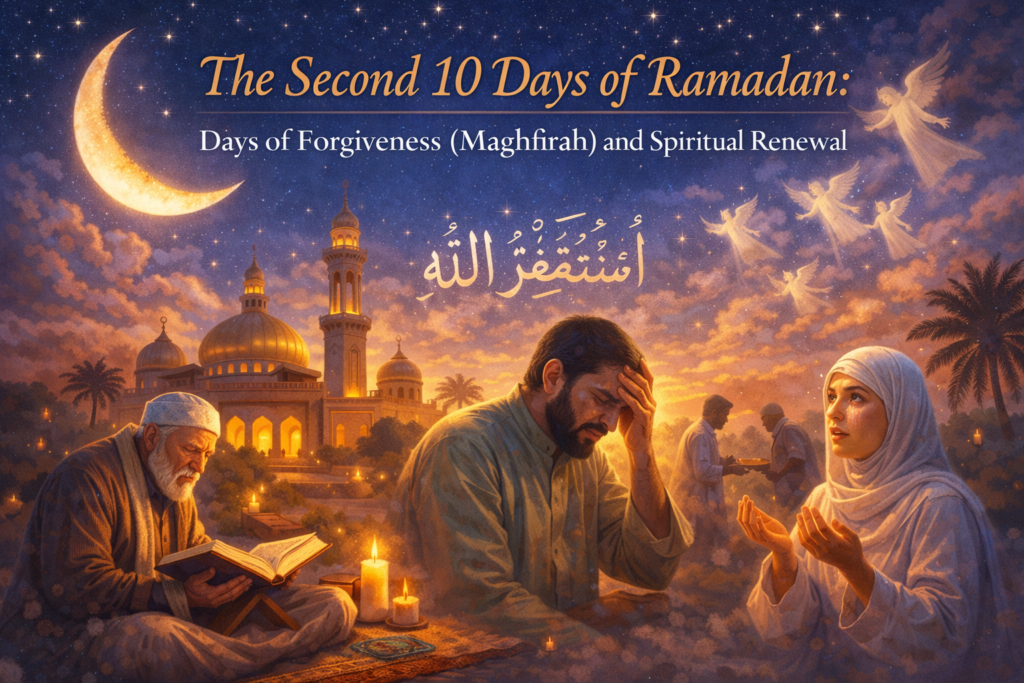
The Second 10 Days of Ramadan: Days of Forgiveness (Maghfirah) and Spiritual Renewal
Introduction: The Transition from Mercy to Forgiveness
Ramadan is a divinely structured month, guiding believers step-by-step toward spiritual success. After the first ten days of mercy (Rahmah), the second ten days of Ramadan arrive with a powerful and life-changing theme: forgiveness (Maghfirah).
These days focus on seeking Allah’s pardon, cleansing the soul from sins, and repairing the relationship between the servant and his Lord. The second Ashra teaches Muslims that mercy opens the door, but forgiveness purifies the heart.
The Prophet Muhammad ﷺ said:
“Ramadan is divided into three parts: the first is mercy, the second is forgiveness, and the last is salvation from the Hellfire.”
(Reported in al-Bayhaqi)
What Is the Second Ashra of Ramadan?

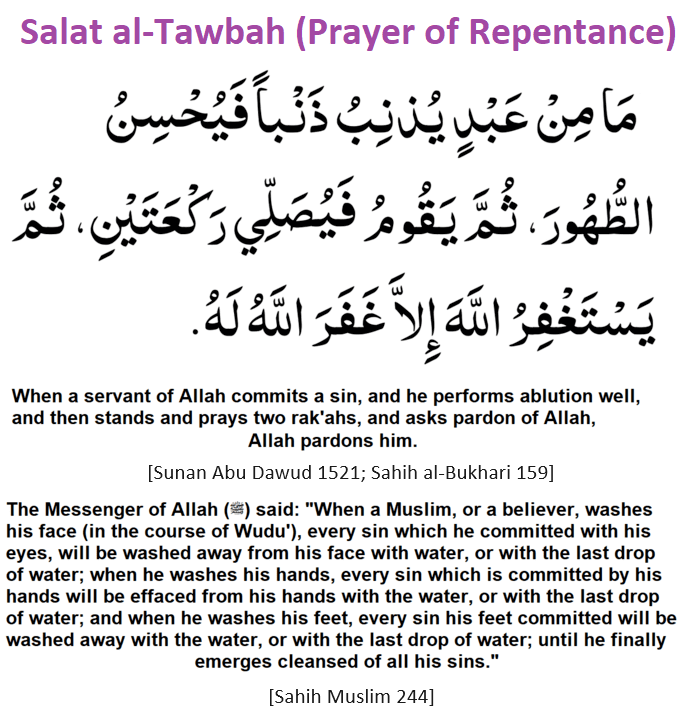
The second Ashra of Ramadan consists of days 11 to 20 of the holy month. By this stage, believers have adjusted to fasting, prayer routines, and spiritual discipline, making it the perfect time for deep repentance and self-accountability.
Why the Second Ashra Is Unique
-
Hearts are softer and more receptive
-
Worship becomes more consistent
-
Awareness of personal shortcomings increases
-
Desire for forgiveness intensifies
This Ashra is a spiritual cleansing phase, removing the burdens of past sins.
The Central Theme: Maghfirah (Forgiveness)
Allah’s forgiveness is vast, unconditional, and accessible — especially during Ramadan.
Allah says:
“And whoever does wrong or wrongs himself but then seeks forgiveness of Allah will find Allah Forgiving and Merciful.”
(Qur’an 4:110)
Meaning of Maghfirah
Maghfirah means:
-
Concealing sins
-
Erasing their consequences
-
Protecting from punishment
During the second ten days, Allah actively invites His servants to return to Him with sincere repentance.
The Door of Repentance Remains Open

Islam teaches that no sin is greater than Allah’s mercy.
Allah says:
“O My servants who have transgressed against themselves, do not despair of the mercy of Allah.”
(Qur’an 39:53)
Conditions of Sincere Repentance (Tawbah)
-
Feeling regret for the sin
-
Immediately stopping the sin
-
Firm intention not to return to it
-
Returning rights to people (if applicable)
The second Ashra is the ideal time to fulfill these conditions.
Recommended Dua for the Second 10 Days of Ramadan
One of the most beloved supplications during these days is:
اَسْتَغْفِرُ اللهَ رَبِّي مِنْ كُلِّ ذَنْبٍ وَأَتُوبُ إِلَيْهِ
“I seek forgiveness from Allah, my Lord, for every sin, and I turn to Him in repentance.”
This dua reflects humility, accountability, and hope — the essence of Maghfirah.
Forgiveness and Fasting in the Second Ashra

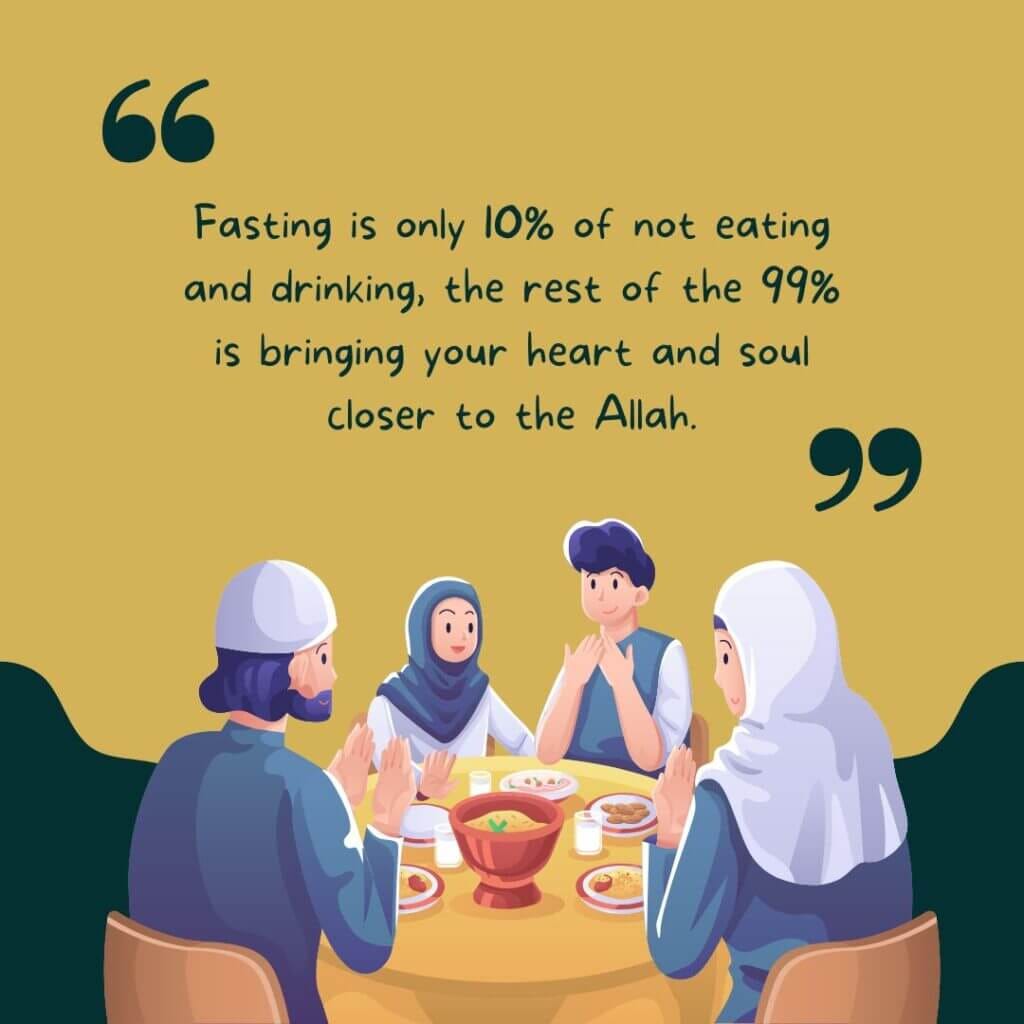
Fasting during the second ten days becomes deeper and more intentional. Hunger reminds believers of their weakness, while patience strengthens reliance on Allah.
The Prophet ﷺ said:
“Whoever fasts Ramadan with faith and seeking reward, his previous sins will be forgiven.”
(Sahih al-Bukhari)
Here, forgiveness is directly tied to:
-
Sincere fasting
-
Correct intention
-
Conscious obedience
Forgiving Others: A Path to Allah’s Forgiveness
One of the most powerful lessons of the second Ashra is forgiving people.
Allah says:
“Let them pardon and overlook. Would you not love that Allah should forgive you?”
(Qur’an 24:22)
Practical Steps
-
Release grudges
-
Seek reconciliation
-
Make dua for those who hurt you
-
Avoid arguments and anger
Forgiving others invites Allah’s forgiveness into your life.
Strengthening Night Worship During the Second Ashra
The nights of the second Ashra are a preparation for the last ten nights.
Recommended practices include:
-
Taraweeh with reflection
-
Tahajjud (even short)
-
Long sujood with dua
-
Seeking forgiveness at night
Allah says:
“And in the hours before dawn, they would seek forgiveness.”
(Qur’an 51:18)
Qur’an and Self-Accountability in the Second 10 Days
Ramadan is the month of the Qur’an, and during the second Ashra, believers should reflect deeply on its message.
Ask yourself:
-
What sins do these verses warn against?
-
What actions require correction?
-
How can I align my life with the Qur’an?
The Qur’an acts as a mirror for the soul during these days.
Charity as a Means of Forgiveness
Charity wipes away sins and invites mercy.
The Prophet ﷺ said:
“Charity extinguishes sins as water extinguishes fire.”
(Tirmidhi)
Recommended Acts
-
Sadaqah, even small
-
Helping someone secretly
-
Supporting Qur’an education
-
Feeding fasting people
Preparing for the Final 10 Days
The second Ashra acts as a bridge between mercy and salvation.
Those who cleanse their hearts during these days:
-
Enter the last Ashra lighter
-
Are spiritually ready for Laylat al-Qadr
-
Have stronger focus in worship
Forgiveness becomes the key to freedom from Hellfire.
Lessons from the Second Ashra of Ramadan
The second ten days teach Muslims that:
-
Sin does not define a believer
-
Repentance is always available
-
Allah loves those who return to Him
-
Forgiveness leads to inner peace
These lessons remain relevant long after Ramadan ends.
Conclusion: Do Not Miss the Days of Forgiveness
The second 10 days of Ramadan are a priceless opportunity — a divine invitation to wash away years of sins through sincere repentance, humility, and devotion.
Whoever emerges from this Ashra forgiven has truly succeeded, for forgiveness is the doorway to eternal success.
“Indeed, Allah loves those who constantly repent.”
(Qur’an 2:222)
May Allah grant us complete Maghfirah, accept our repentance, and prepare us for the blessed final days of Ramadan. Ameen.