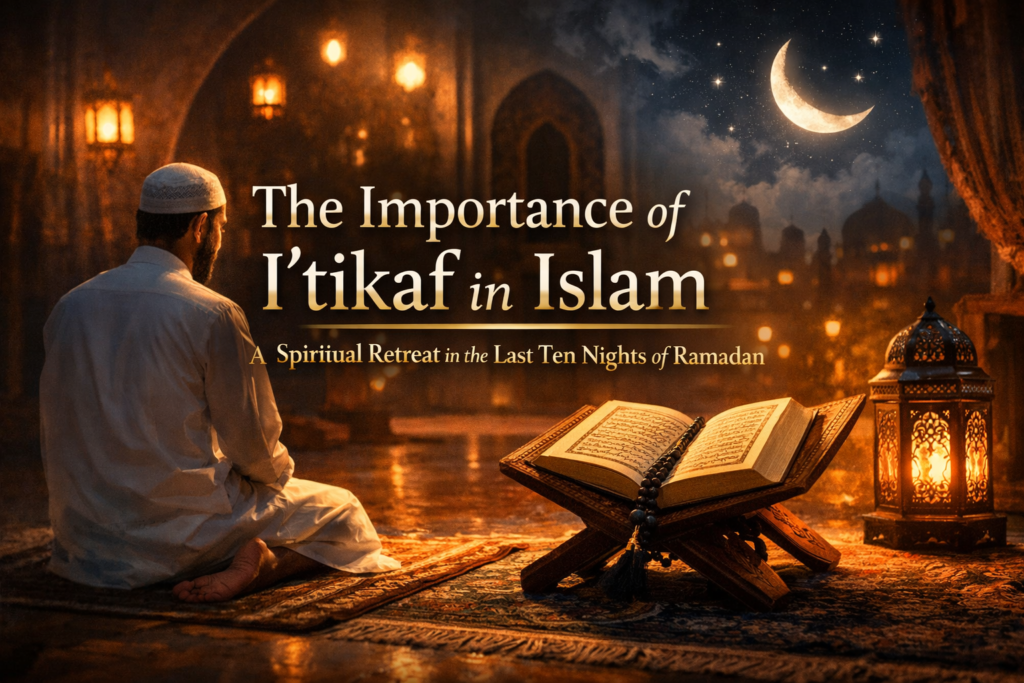
The Importance of I’tikaf in Islam: A Journey of Spiritual Retreat and Divine Connection
As the blessed month of Ramadan reaches its final phase, Muslims around the world intensify their acts of worship and devotion. Among the most profound acts of worship during these final days is I’tikaf, a spiritual retreat in which a believer dedicates themselves entirely to the worship of Allah. I’tikaf is a powerful Sunnah practiced by the Prophet Muhammad and continues to hold immense spiritual value for Muslims seeking closeness to Allah.
In today’s fast-paced world filled with distractions, the practice of I’tikaf offers a unique opportunity to disconnect from worldly concerns and reconnect with faith. It allows believers to focus on prayer, reflection, recitation of the Qur’an, and remembrance of Allah.
This article explores the importance of I’tikaf in Islam, its spiritual benefits, its rules and conditions, and how Muslims can make the most of this sacred act of worship.
What is I’tikaf?
I’tikaf (اعتكاف) literally means to stay, remain, or devote oneself to something. In Islamic terminology, it refers to staying in the mosque with the intention of worshiping Allah during a specific period, usually during the last ten days of Ramadan.
During I’tikaf, a Muslim temporarily withdraws from daily life and dedicates their time to:
-
Prayer (Salah)
-
Recitation of the Qur’an
-
Supplication (Dua)
-
Dhikr (remembrance of Allah)
-
Reflection and repentance
This practice allows believers to purify their hearts, strengthen their faith, and deepen their relationship with Allah.
Allah says in the Qur’an:
“And do not have relations with them as long as you are staying for worship in the mosques.”
— (Qur’an 2:187)
This verse confirms the legitimacy and sacred nature of I’tikaf.
The Sunnah of the Prophet ﷺ
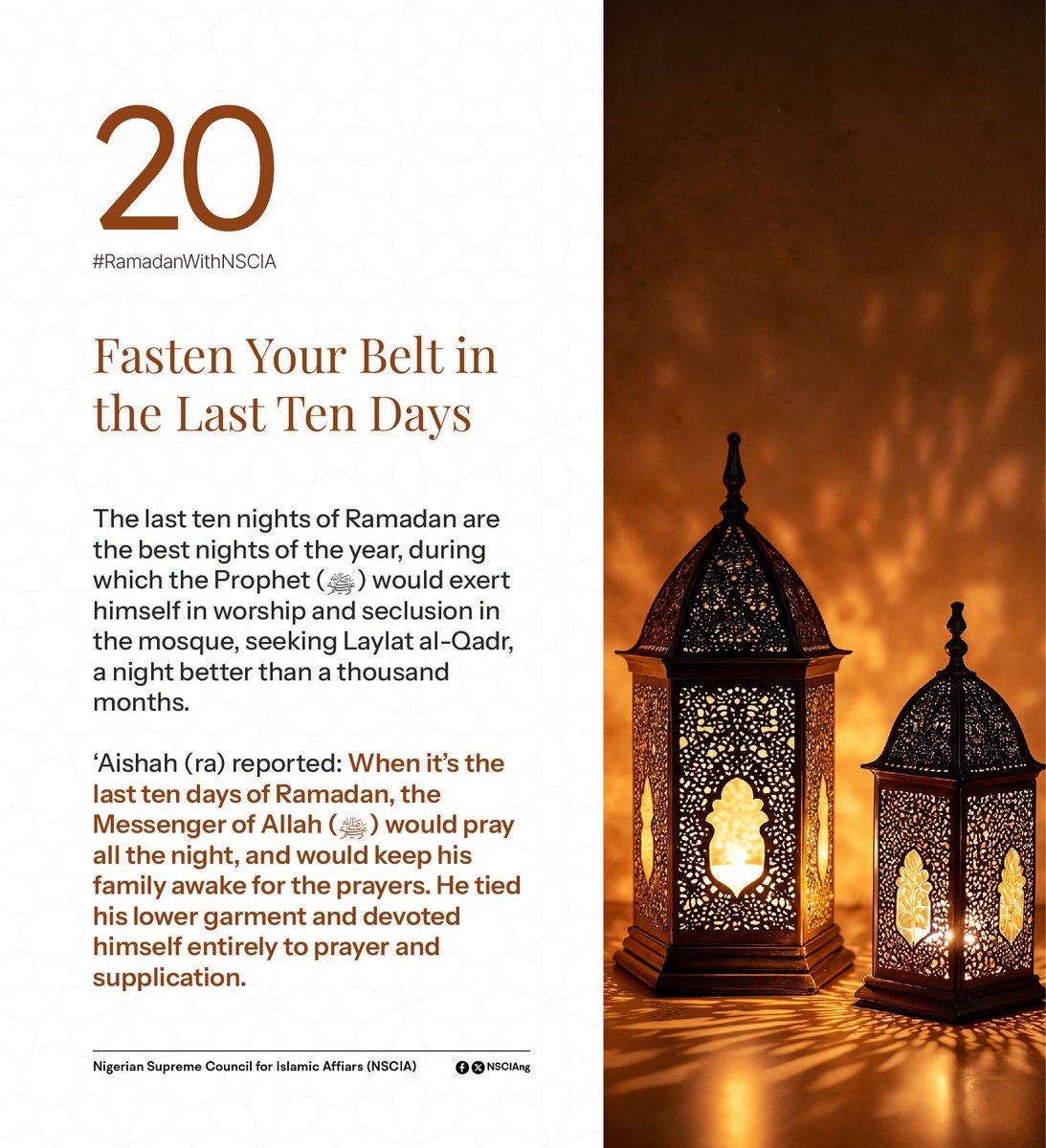
I’tikaf was a regular practice of Prophet Muhammad ﷺ, especially during the final days of Ramadan.
Narrated by Aisha:
“The Prophet ﷺ used to observe I’tikaf during the last ten days of Ramadan until Allah took his soul, and then his wives observed I’tikaf after him.”
— (Sahih al-Bukhari)
This hadith highlights the importance and continuity of this act of worship. The Prophet ﷺ emphasized the last ten nights because they contain the blessed night known as Laylat al-Qadr, the Night of Decree, which is better than a thousand months.
Why I’tikaf is Important in Islam
1. Strengthens Connection with Allah
I’tikaf allows believers to disconnect from worldly distractions and focus entirely on their relationship with Allah. In everyday life, responsibilities such as work, social obligations, and technology can distract us from our spiritual goals.
Through I’tikaf, Muslims create a sacred environment for:
-
Spiritual reflection
-
Deep dua
-
Continuous remembrance of Allah
This intense devotion helps purify the heart and renew faith.
2. Opportunity to Seek Laylat al-Qadr
One of the greatest reasons for observing I’tikaf is the search for Laylat al-Qadr.
Allah says:
“The Night of Decree is better than a thousand months.”
— (Qur’an 97:3)
Worship performed on this night carries rewards equivalent to more than 83 years of worship. Since the exact night is unknown but believed to be in the last ten nights of Ramadan, staying in the mosque increases the chances of experiencing this blessed night.
3. Revives the Sunnah of the Prophet ﷺ
By observing I’tikaf, Muslims revive a powerful Sunnah of the Prophet Muhammad. Reviving the Sunnah is highly rewarding and strengthens the connection between believers and the prophetic tradition.
Following the example of the Prophet ﷺ brings immense blessings and rewards.
4. Purification of the Heart
I’tikaf offers a chance for deep spiritual cleansing. It encourages Muslims to evaluate their actions, repent for past sins, and renew their intentions.
During this time, believers engage in:
-
Tawbah (repentance)
-
Dhikr
-
Qur’an recitation
-
Self-reflection
Such practices purify the soul and help believers return to Allah with sincerity.
5. Protection from Worldly Distractions
Modern life is filled with distractions—social media, entertainment, work pressure, and constant communication. I’tikaf provides a rare opportunity to step away from these distractions.
In the peaceful environment of the mosque, Muslims can focus solely on worship and spiritual growth.
Types of I’tikaf
Islamic scholars generally categorize I’tikaf into three types:
1. Sunnah I’tikaf
This is the I’tikaf performed during the last ten days of Ramadan, following the practice of the Prophet ﷺ.
2. Nafl (Voluntary) I’tikaf
This type can be performed at any time of the year for any duration, even a few hours, with the intention of worship.
3. Obligatory I’tikaf
If someone makes a vow (Nadhr) to perform I’tikaf, it becomes obligatory for them to fulfill it.
Rules and Conditions of I’tikaf
For I’tikaf to be valid, certain conditions must be fulfilled:
-
Intention (Niyyah) for I’tikaf.
-
Staying in the mosque for men.
-
Women may perform I’tikaf in a designated prayer area at home (according to some scholars).
-
Avoiding unnecessary worldly activities.
-
Maintaining purity and observing prayers.
A person observing I’tikaf should leave the mosque only for essential needs such as:
-
Using the restroom
-
Performing ablution
-
Obtaining necessary food
Recommended Acts During I’tikaf
To maximize the benefits of I’tikaf, Muslims are encouraged to engage in the following acts of worship:
Recitation of the Qur’an
Spending time reading and reflecting on the Qur’an.
Night Prayer (Qiyam and Tahajjud)
Standing in prayer during the night, especially in the last third.
Making Dua
The Prophet ﷺ recommended this dua during Laylat al-Qadr:
“Allahumma innaka ‘afuwwun tuhibbul ‘afwa fa’fu ‘anni.”
(O Allah, You are Forgiving and love forgiveness, so forgive me.)
Dhikr and Reflection
Constant remembrance of Allah through phrases like:
-
SubhanAllah
-
Alhamdulillah
-
Allahu Akbar
Spiritual Benefits of I’tikaf
The benefits of I’tikaf go beyond the days spent in the mosque.
1. Increased Taqwa
I’tikaf strengthens God-consciousness, helping believers remain mindful of Allah in their daily lives.
2. Greater Self-Discipline
Avoiding distractions and focusing on worship builds discipline and patience.
3. Stronger Relationship with the Qur’an
Spending extended time with the Qur’an deepens understanding and connection with divine guidance.
4. Renewal of Faith
Many Muslims leave I’tikaf feeling spiritually refreshed and motivated to continue their worship after Ramadan.
Lessons from I’tikaf for Everyday Life
I’tikaf teaches several valuable lessons that extend beyond Ramadan:
-
Prioritizing faith over worldly distractions
-
Maintaining regular connection with the Qur’an
-
Practicing patience and self-control
-
Seeking forgiveness regularly
These lessons help believers maintain spiritual balance throughout the year.
Conclusion
I’tikaf is one of the most spiritually rewarding acts of worship in Islam. By dedicating time exclusively to the worship of Allah, Muslims can purify their hearts, strengthen their faith, and seek the immense blessings of Laylat al-Qadr.
Following the Sunnah of Prophet Muhammad, believers who observe I’tikaf during the last ten days of Ramadan gain a unique opportunity to transform their spiritual lives.
In a world filled with constant distractions, I’tikaf reminds us of the importance of silence, reflection, and devotion. It is a powerful reminder that true peace and fulfillment are found in remembering Allah.
May Allah grant us the ability to observe I’tikaf with sincerity and accept our worship. Ameen.