The Importance of Ramadan in Islam: A Complete Spiritual, Social, and Qur’anic Guide
Introduction: Why Ramadan Holds a Central Place in Islam
Ramadan is not merely a month on the Islamic calendar; it is the spiritual heart of the Muslim year. The importance of Ramadan in Islam lies in its power to transform hearts, reform character, revive faith, and reconnect believers with the Qur’an and Allah.
Every year, over a billion Muslims across the globe observe Ramadan through fasting, prayer, charity, self-discipline, and spiritual reflection. This sacred month is a divine training program that nurtures taqwa (God-consciousness), compassion, patience, humility, and gratitude.
Allah honored Ramadan above all other months by revealing the Qur’an during it, making fasting obligatory, and placing within it Laylat al-Qadr, a night better than a thousand months.
“O you who believe! Fasting has been prescribed for you as it was prescribed for those before you, so that you may attain taqwa.”
(Qur’an 2:183)
What Is Ramadan in Islam?
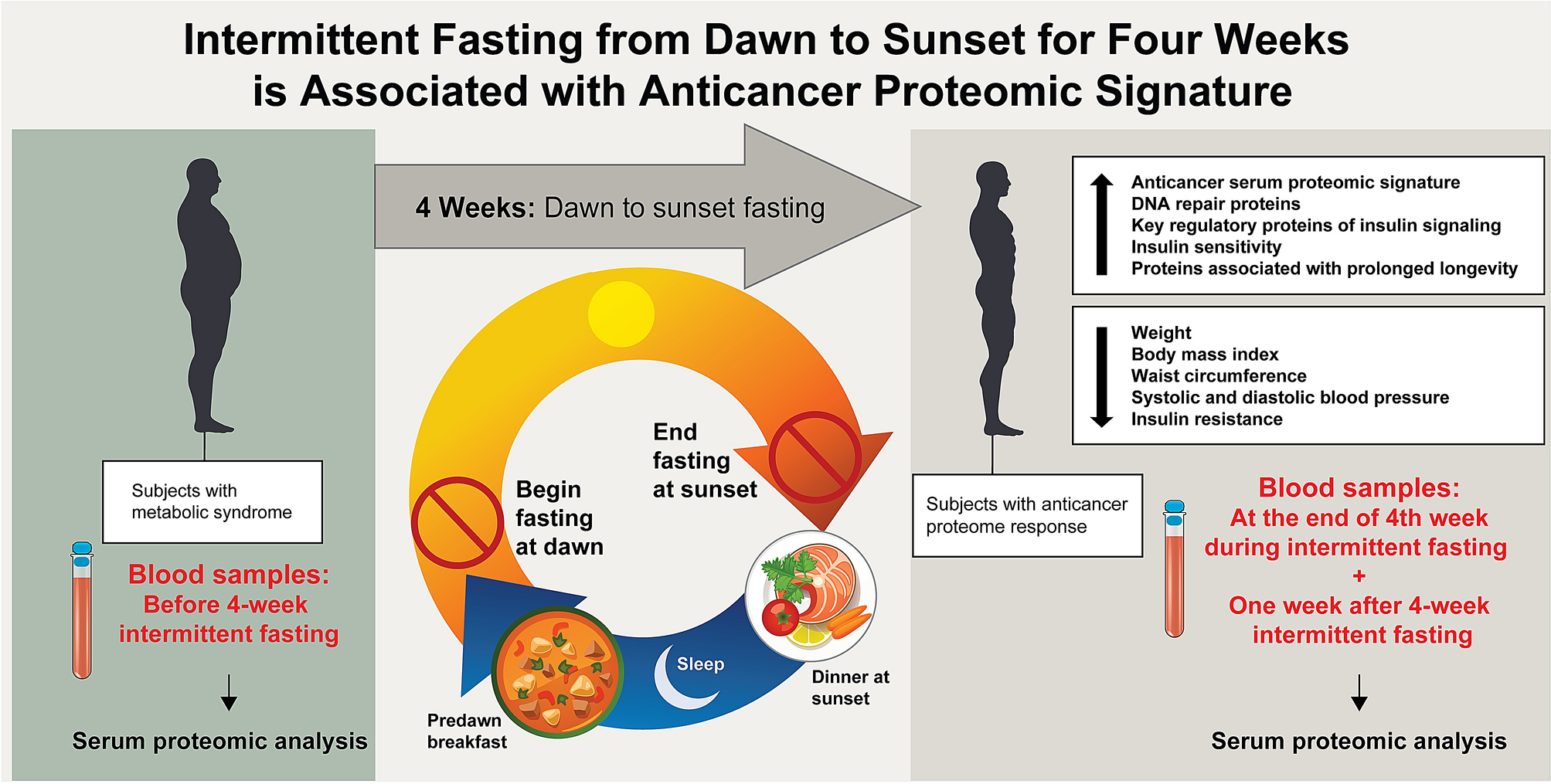
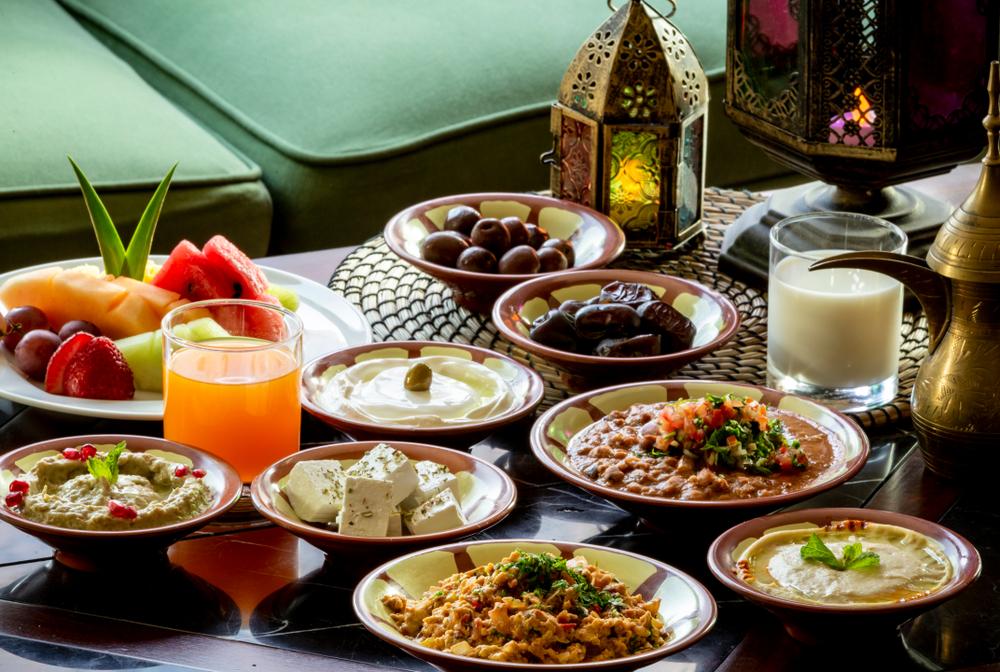
Ramadan is the ninth month of the Islamic lunar calendar, observed when the new crescent moon is sighted. During this month, fasting from dawn (Fajr) to sunset (Maghrib) becomes obligatory for every adult Muslim who is physically and mentally able.
Fasting in Ramadan includes abstaining from:
-
Food and drink
-
Marital relations during daylight hours
-
Sinful speech and actions
-
Anger, arrogance, gossip, and dishonesty
But Islam teaches that Ramadan is not just about hunger — it is about disciplining the soul.
The Prophet Muhammad ﷺ said:
“Whoever does not give up false speech and evil actions, Allah has no need of him giving up his food and drink.”
(Sahih al-Bukhari)
The Qur’an and Ramadan: A Divine Connection

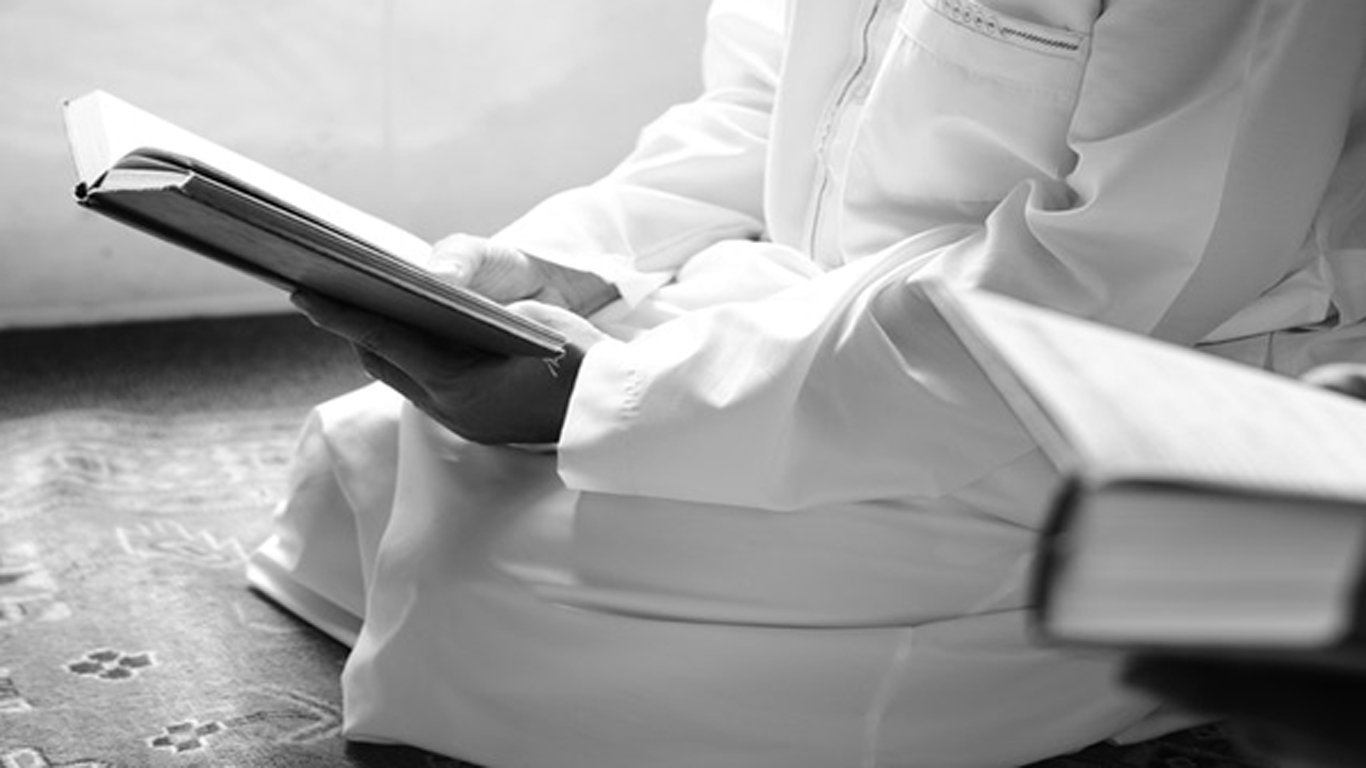
One of the greatest reasons for the importance of Ramadan in Islam is its direct link to the Qur’an.
Allah says:
“The month of Ramadan is the one in which the Qur’an was revealed as guidance for mankind, clear proofs of guidance, and the criterion.”
(Qur’an 2:185)
Why This Connection Matters
-
The Qur’an is Allah’s final message to humanity
-
Ramadan is the time when hearts are most receptive
-
Reciting and reflecting upon the Qur’an during Ramadan multiplies reward
Angel Jibreel (AS) reviewed the Qur’an with the Prophet ﷺ every Ramadan, emphasizing the centrality of Qur’anic engagement during this month.
At QuranAcademia.com, Ramadan is an ideal time to:
-
Begin Qur’an recitation
-
Improve tajweed
-
Memorize Surahs
-
Understand tafsir and meanings
Fasting in Islam: More Than Physical Abstinence

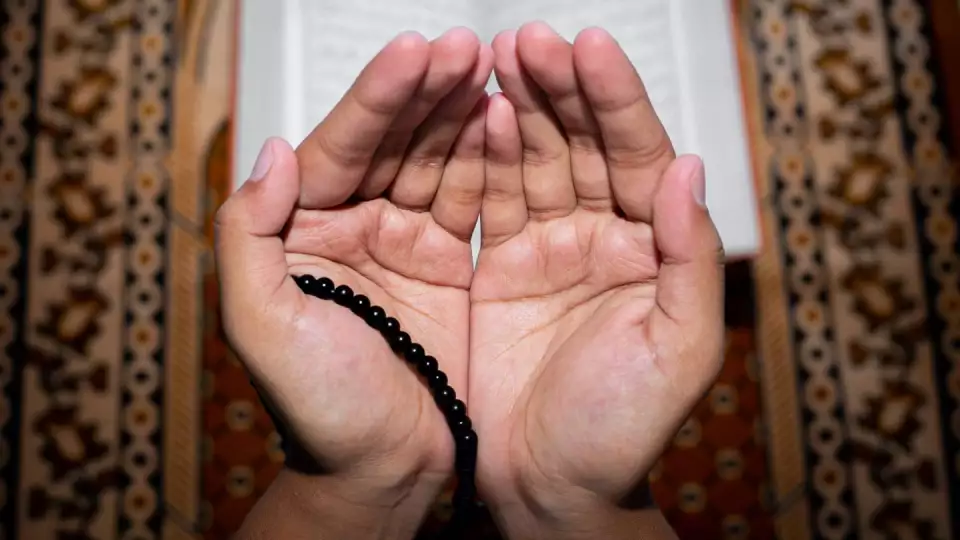
Spiritual Purpose of Fasting
The core objective of fasting is taqwa — constant awareness of Allah.
Fasting:
-
Weakens the ego (nafs)
-
Strengthens self-control
-
Teaches patience and endurance
-
Purifies intentions
The Prophet ﷺ said:
“Fasting is a shield.”
(Sahih al-Bukhari, Sahih Muslim)
This shield protects believers from:
-
Sin
-
Spiritual heedlessness
-
Moral decay
Ramadan as a Month of Forgiveness and Mercy
One of the greatest blessings of Ramadan is Allah’s vast mercy.
The Prophet ﷺ said:
“When Ramadan begins, the gates of Paradise are opened, the gates of Hellfire are closed, and the devils are chained.”
(Sahih al-Bukhari)
Opportunities for Forgiveness
-
Sincere repentance (Tawbah)
-
Night prayers (Qiyam & Taraweeh)
-
Dua and istighfar
-
Charity and kindness
“Whoever fasts Ramadan with faith and seeking reward, his past sins will be forgiven.”
(Sahih al-Bukhari)
Laylat al-Qadr: The Night Better Than a Thousand Months
Laylat al-Qadr is one of the greatest gifts of Ramadan.
Allah says:
“Laylat al-Qadr is better than a thousand months.”
(Qur’an 97:3)
Why Laylat al-Qadr Is So Important
-
Worship equals 83+ years
-
Angels descend with mercy
-
Decrees for the coming year are written
-
Sincere dua is accepted
The Prophet ﷺ encouraged seeking it in the last ten odd nights of Ramadan.
Ramadan and Character Building in Islam
Ramadan transforms not only worship but behavior and morals.
It trains Muslims to:
-
Speak gently
-
Control anger
-
Forgive others
-
Be truthful
-
Show humility
The Prophet ﷺ said:
“The best among you are those with the best character.”
(Sahih al-Bukhari)
Ramadan is a character reform academy where believers emerge spiritually refined.
Social Importance of Ramadan in Islam

Strengthening Community Bonds
-
Shared fasting experience
-
Congregational prayers
-
Iftar gatherings
-
Increased empathy for the poor
Charity in Ramadan
Charity holds multiplied reward in Ramadan.
The Prophet ﷺ was:
“More generous than the blowing wind during Ramadan.”
(Sahih al-Bukhari)
Forms of charity include:
-
Zakat
-
Sadaqah
-
Feeding fasting people
-
Supporting Islamic education
Ramadan and Self-Purification (Tazkiyah)
Ramadan is a spiritual detox.
It cleanses:
-
The heart from arrogance
-
The tongue from harmful speech
-
The soul from negligence
Allah says:
“He has succeeded who purifies it.”
(Qur’an 91:9)
Through fasting, prayer, and reflection, Ramadan restores the spiritual balance of the believer.
Health, Discipline, and Psychological Benefits of Ramadan
While the primary purpose is spiritual, Ramadan also promotes:
-
Self-discipline
-
Mental clarity
-
Reduced material attachment
-
Gratitude for blessings
Islam teaches moderation, balance, and mindfulness — values reinforced during Ramadan.
Ramadan as a Lifelong Training Program
The true success of Ramadan is measured after the month ends.
Signs of an accepted Ramadan:
-
Continued prayer
-
Improved character
-
Stronger Qur’an connection
-
Increased obedience to Allah
Ramadan prepares believers to live the rest of the year in obedience.
Conclusion: The Everlasting Importance of Ramadan in Islam
The importance of Ramadan in Islam cannot be confined to fasting alone. It is a divine institution designed to elevate humanity spiritually, morally, and socially.
Ramadan:
-
Revives faith
-
Strengthens Qur’an connection
-
Purifies hearts
-
Unites the Ummah
-
Draws believers closer to Allah
At QuranAcademia.com, Ramadan is the perfect opportunity to:
-
Learn the Qur’an
-
Improve Islamic knowledge
-
Strengthen faith for a lifetime
“And when My servants ask you concerning Me, indeed I am near. I respond to the invocation of the supplicant when he calls upon Me.”
(Qur’an 2:186)